Helmet Bag
Wearable Protective Architecture · Structural Soft Goods
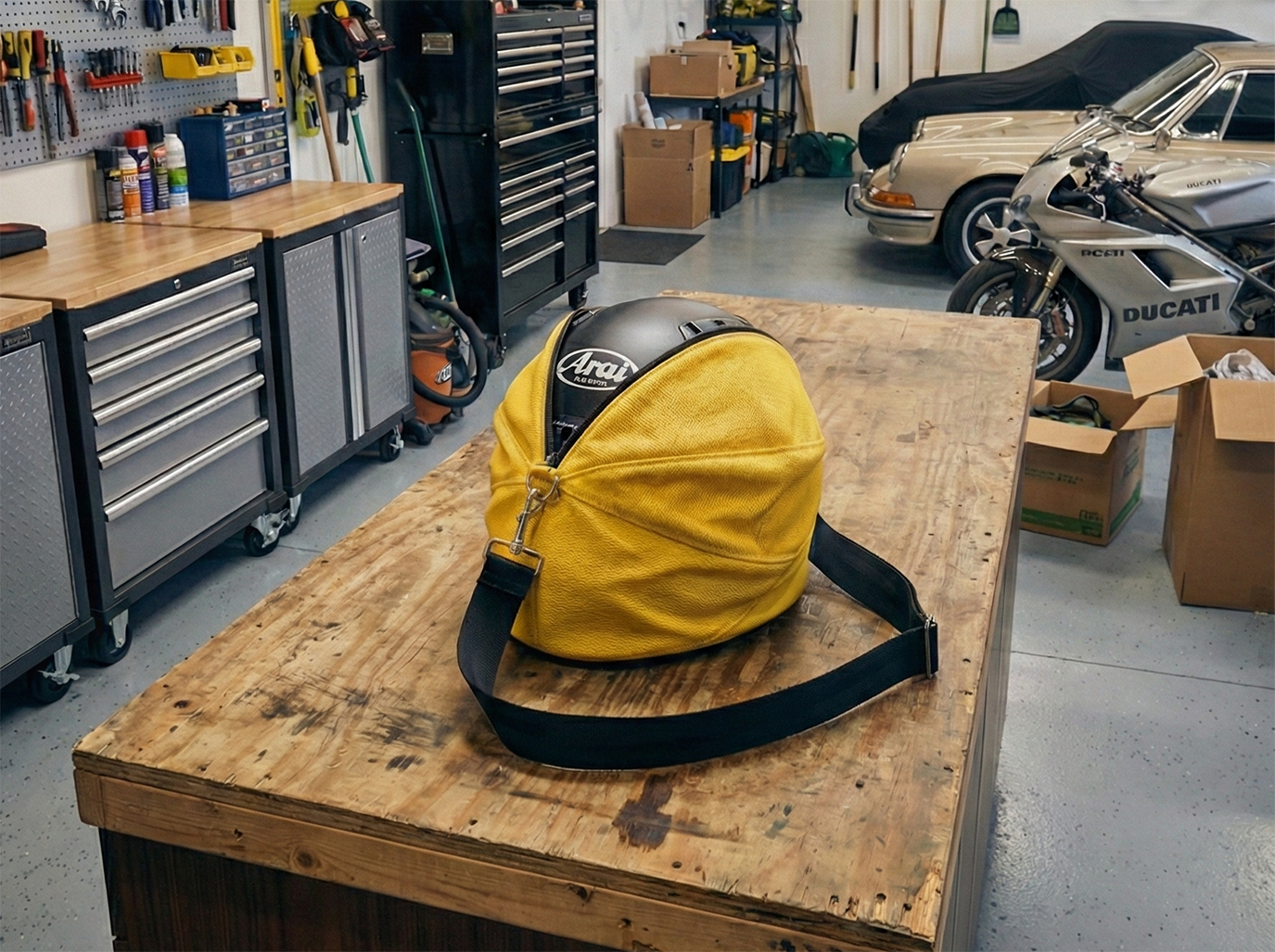
Impact architecture built into the fabric.
A wearable that performs like protective hardware while looking like clean soft goods. The challenge was to protect an impact-sensitive full-face helmet during transit without adding bulk to the padded liner or distorting the exterior silhouette. This problem spans two disciplines: the rigid logic of protective equipment is delivered entirely through soft-goods construction, and the protective system is invisible from the outside.

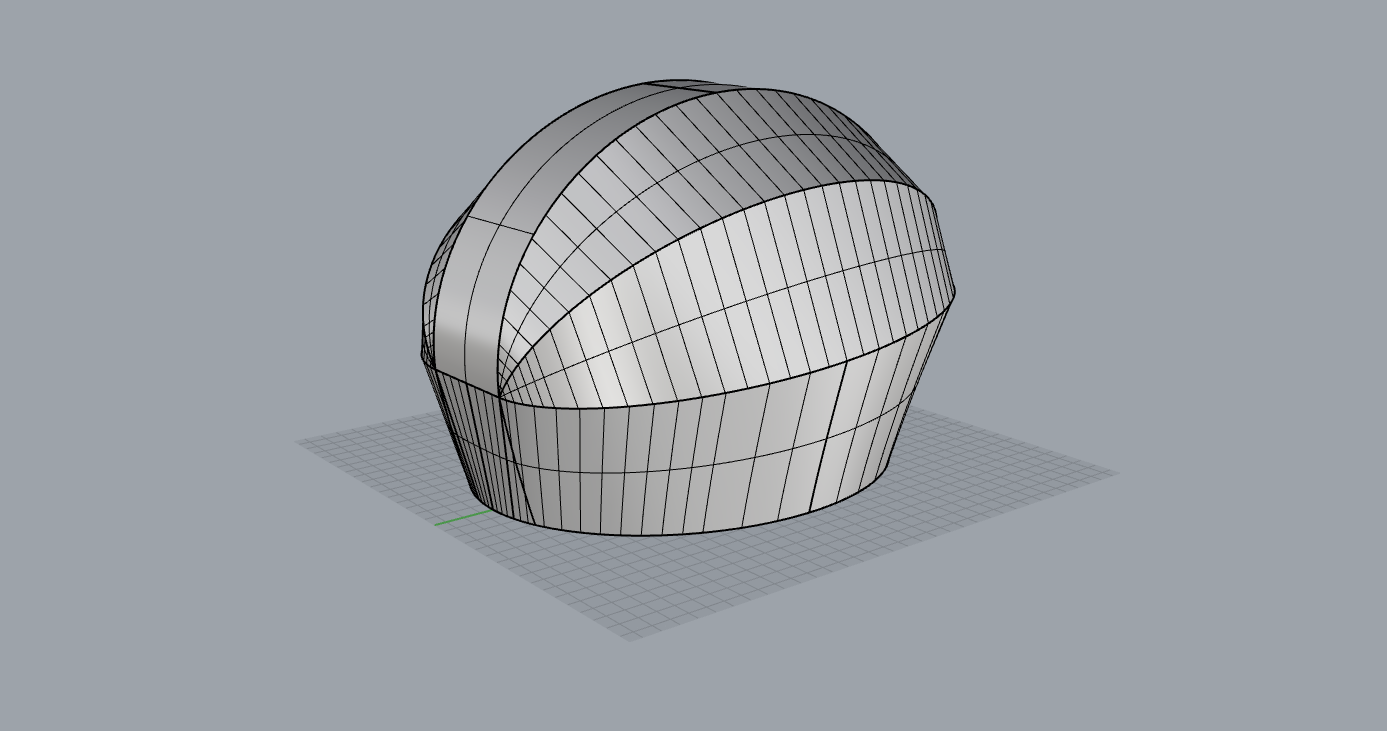
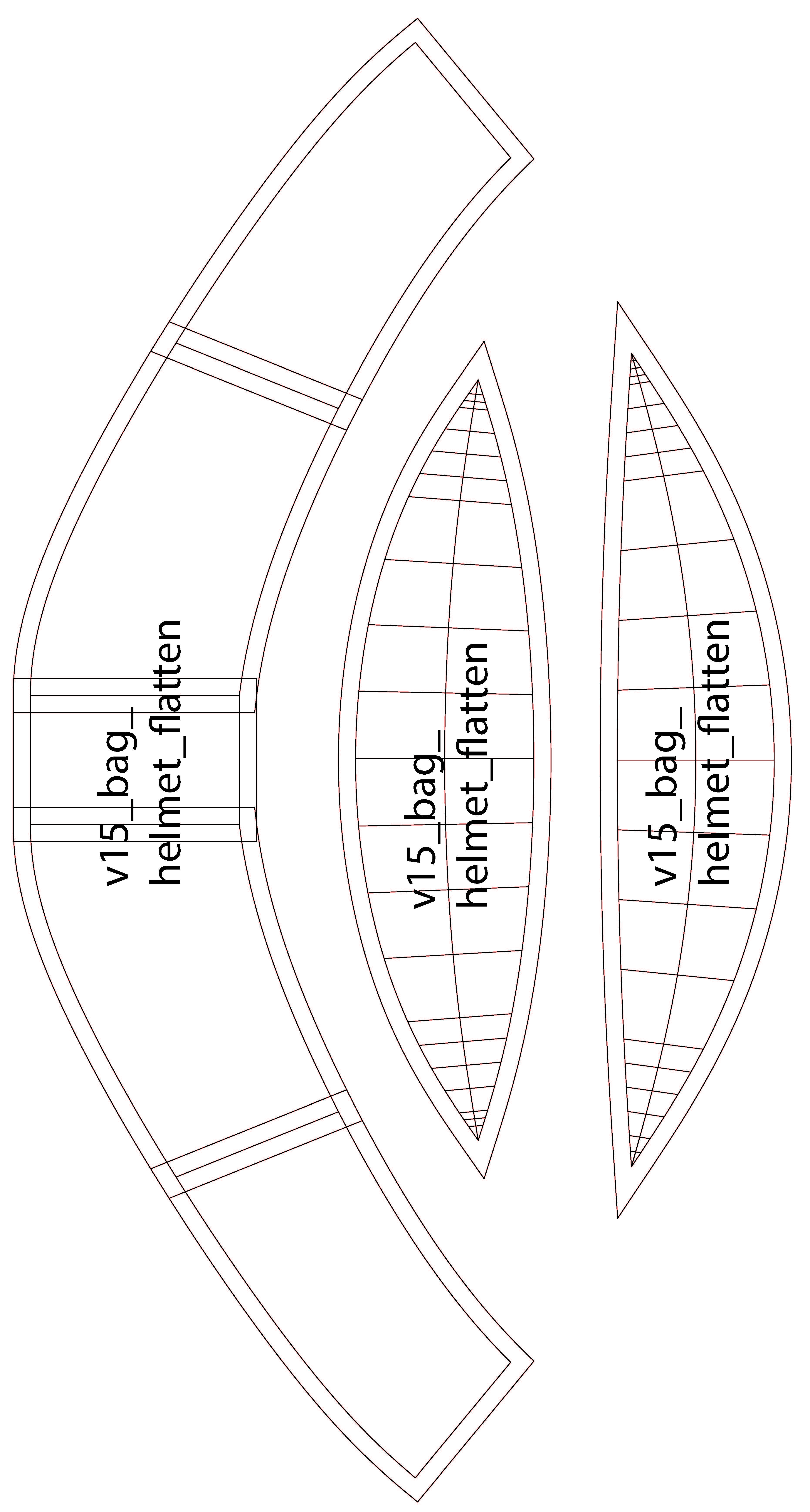
Transforming a 3D volume into a flat 2D pattern.
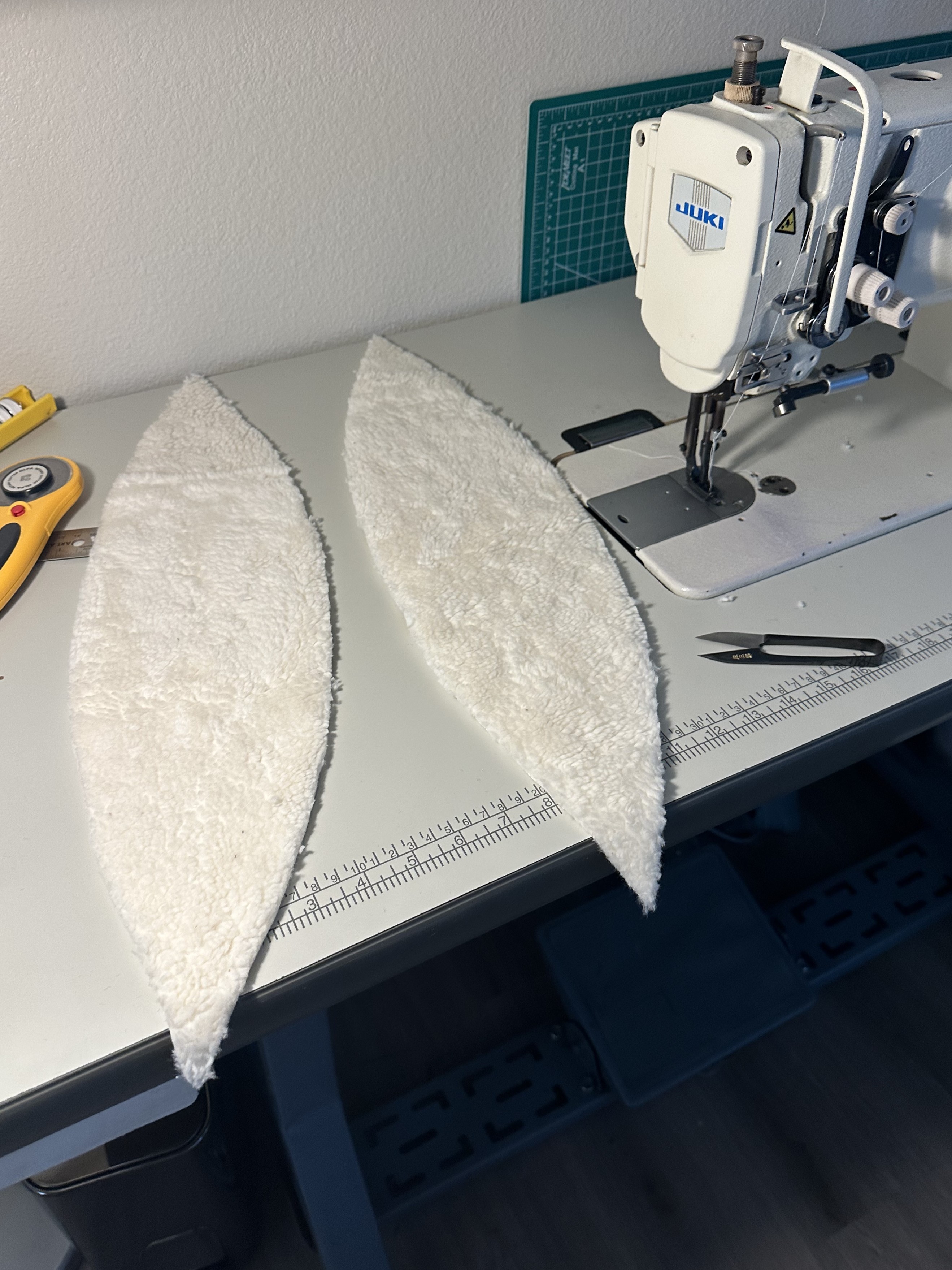
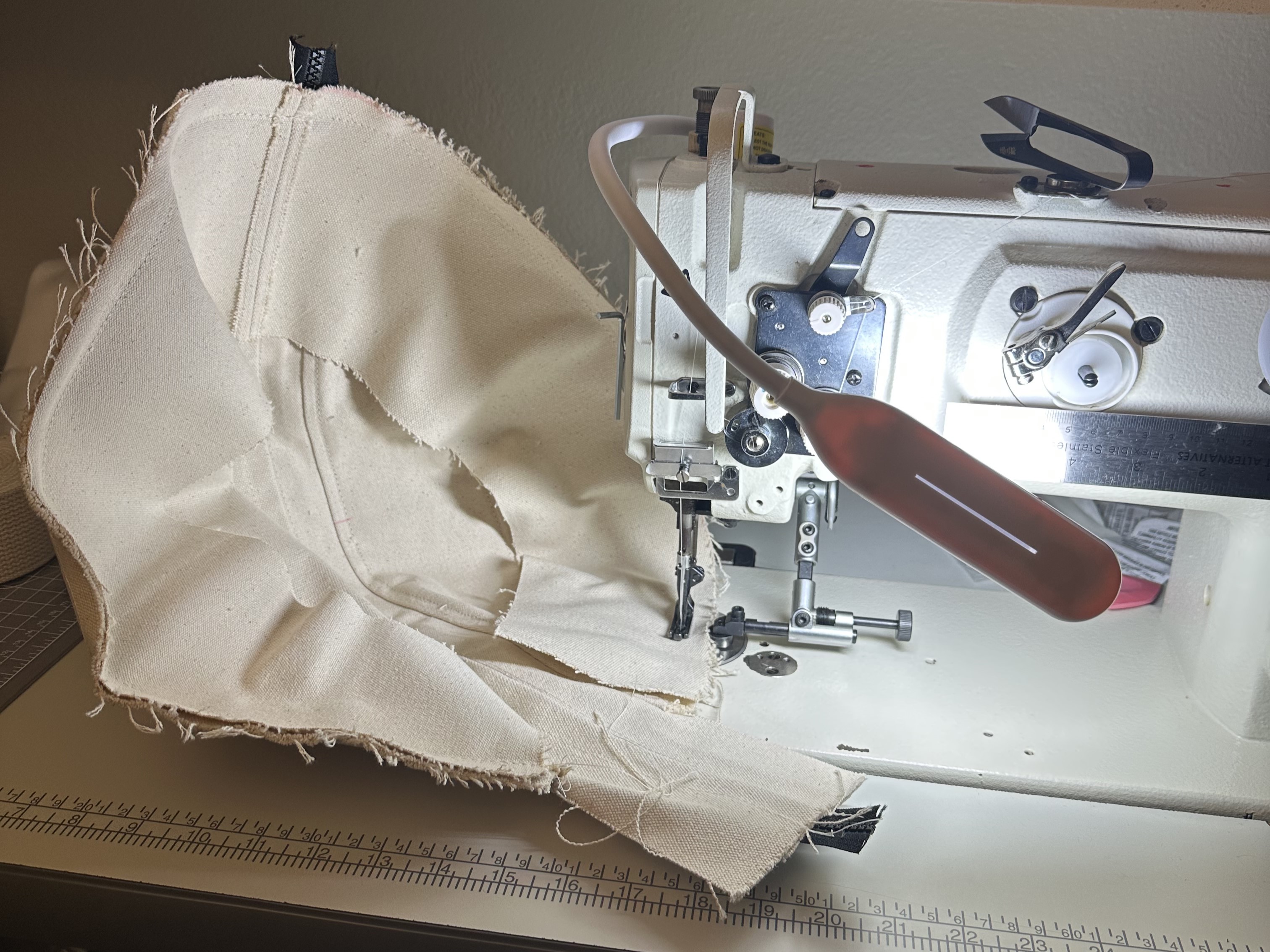
The core soft goods problem is translating a 3D volume into a 2D pattern. I tested the digital pattern against real physical constraints, such as helmet shape and size, 3 mm EVA foam thickness, seam allowances and fold tolerances, and iterated the flat development until the assembled volume held its shape with no visible compromise to the silhouette. To verify the construction logic and tactile quality, I sewed samples into a durable shell with a concealed closed-cell EVA foam liner and assembled the prototypes by hand to validate the integration of the hardware (YKK zippers and nickel-plated D-rings) and the seam strength.
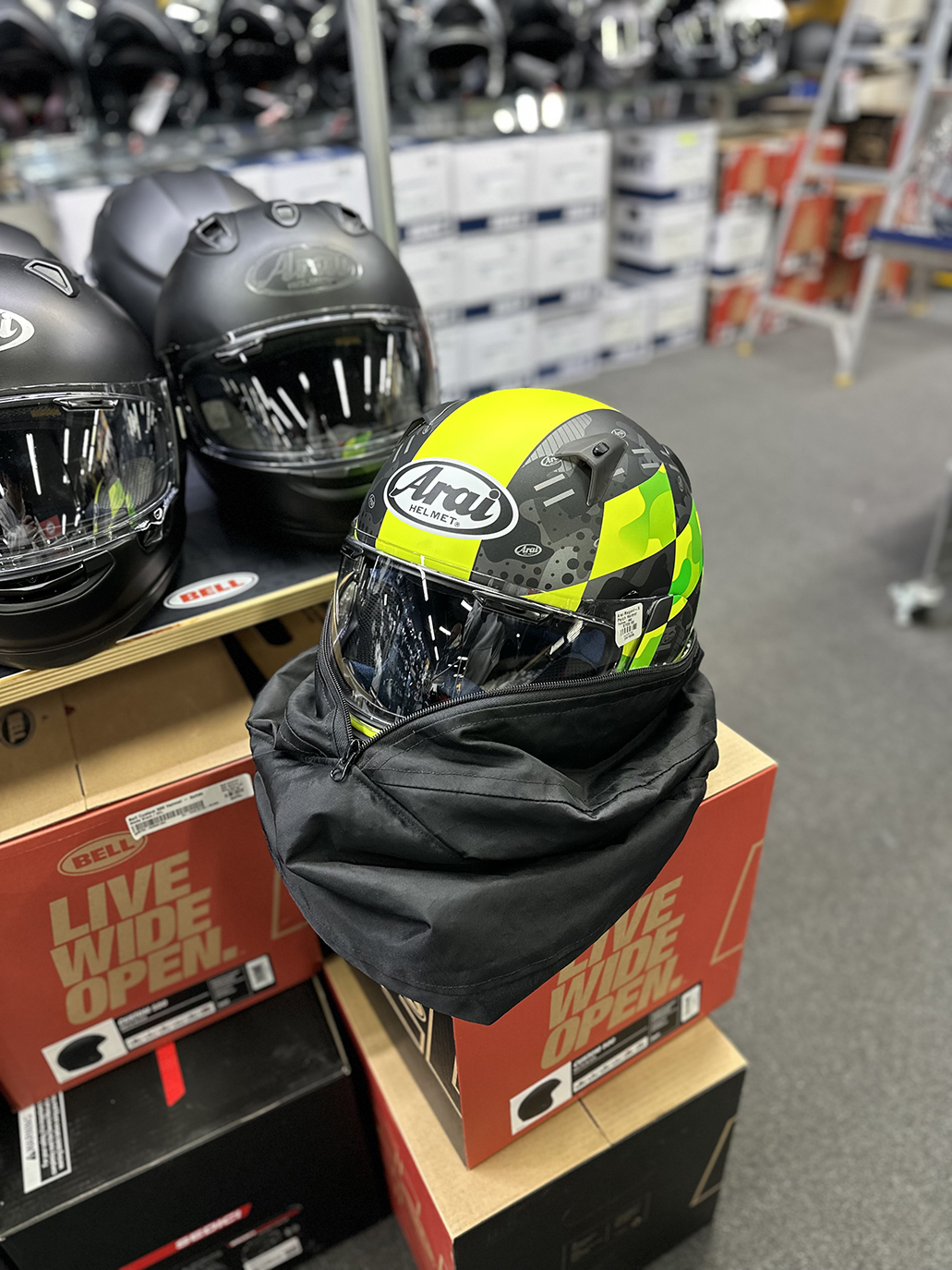
This is the clearest proof of the rigid and soft hybrid.
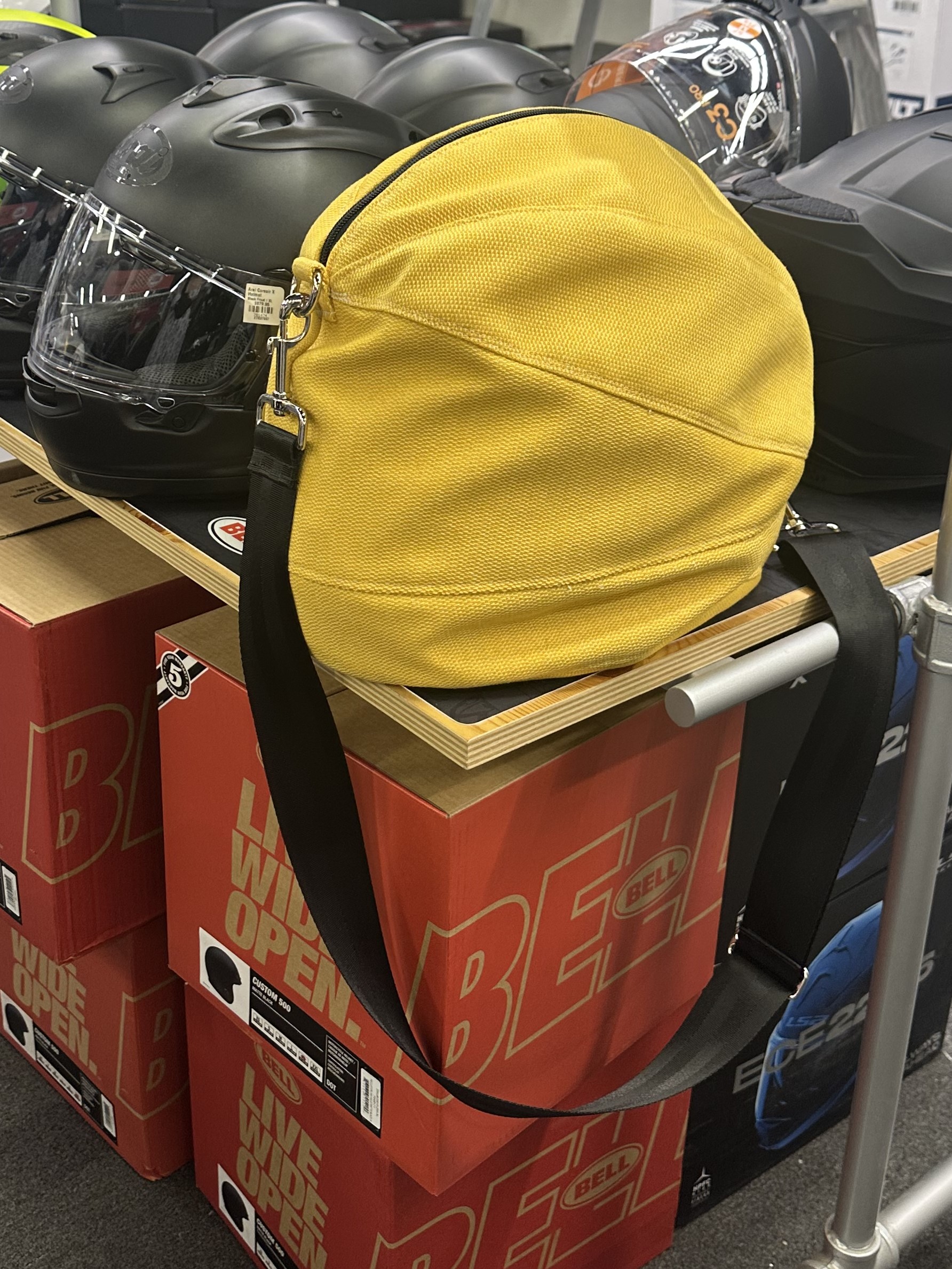
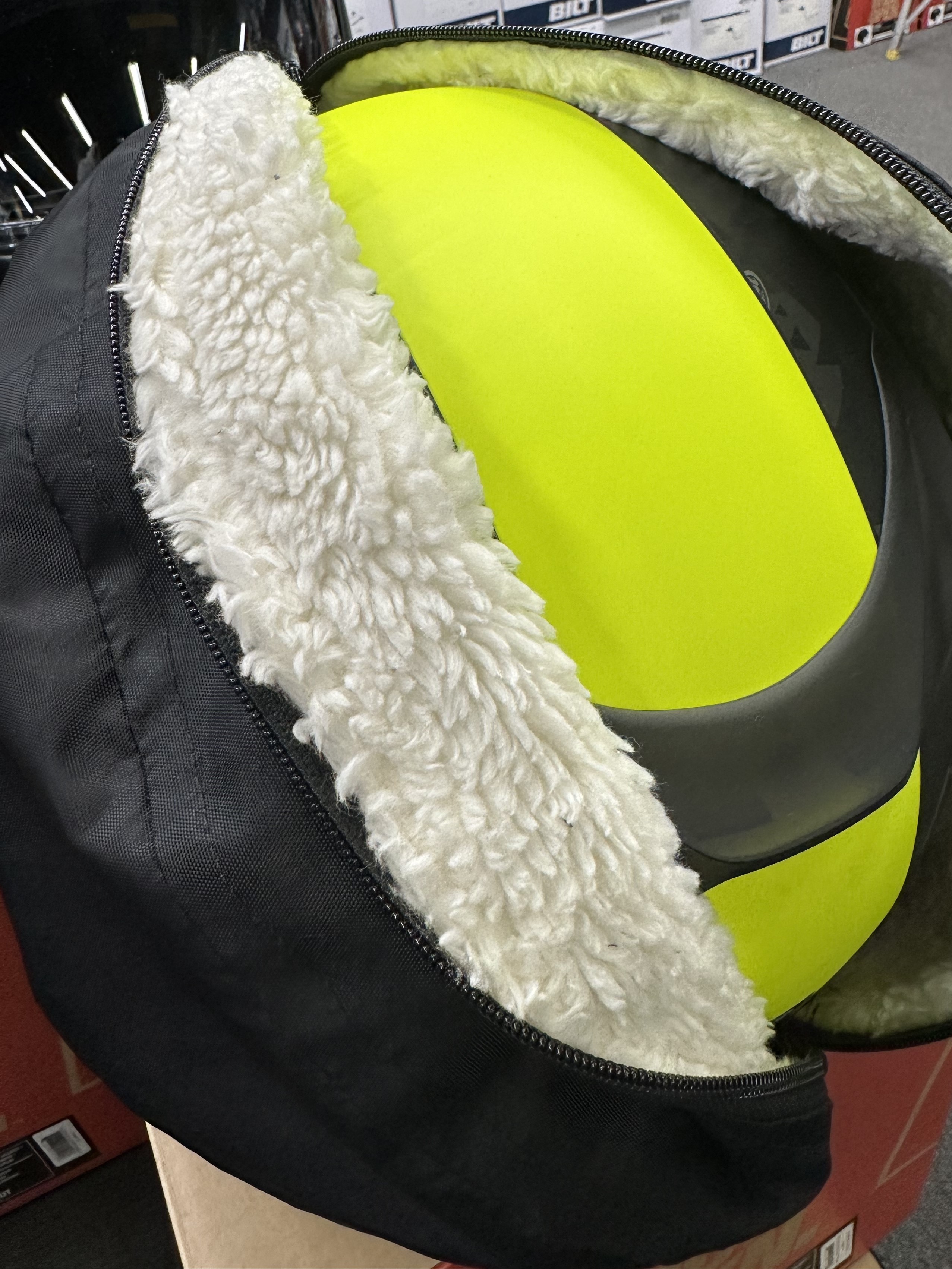
This precisely constructed wearable protects a full-face helmet during transit and can be worn as a clean, everyday accessory. It offers high-performance utility with no visible bulk or compromise to the silhouette. Protective hardware architecture engineered entirely from textiles.
· Protection: 3 mm EVA closed-cell foam and fleece liner, fully concealed.
· Hardware: YKK zippers and nickel-plated D-rings.
· Construction: single 2D to 3D flat pattern and seam engineering.
· Validation: 4 ft drop test.

Next projects